

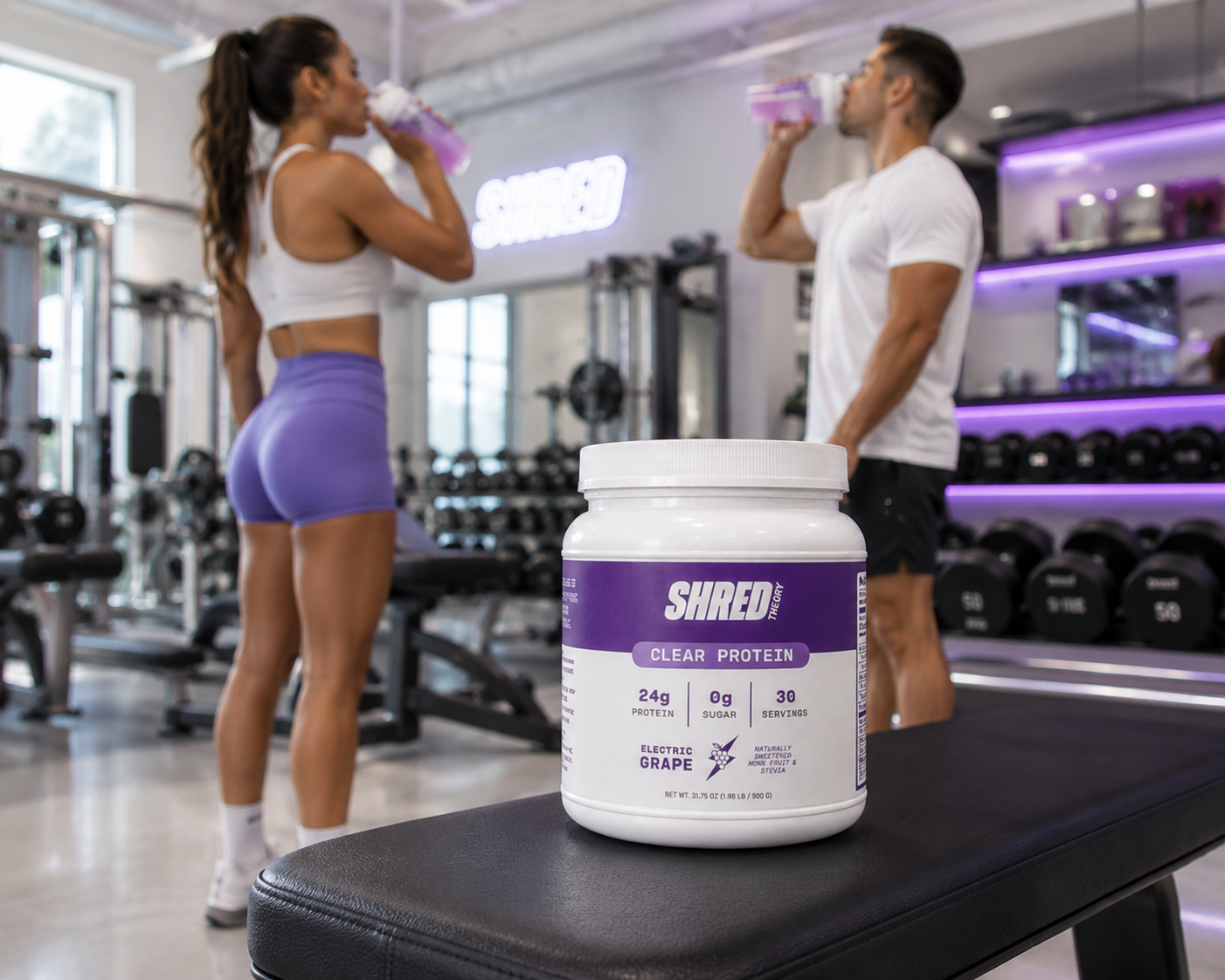
Clear Whey vs Whey Protein: Digestion, Absorption and Recovery
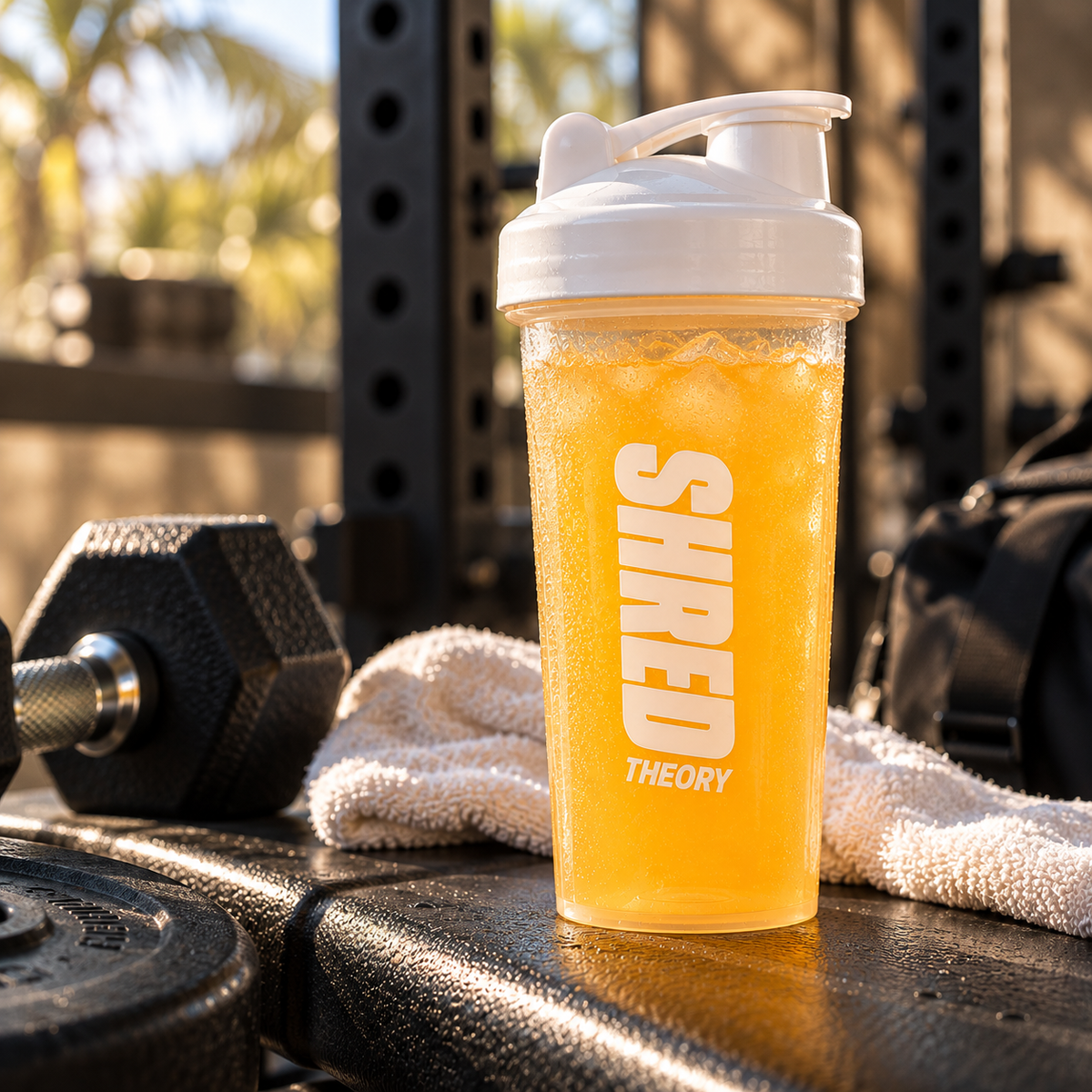
Clear whey is still whey protein. The term describes a transparent, water-style formulation, often using whey isolate or hydrolysate, rather than a separate protein source. In a clear whey vs whey protein comparison, the useful distinction is between clear formulations and traditional shake-style whey—not between whey and something fundamentally different.
Both belong to a protein category known for rapid amino-acid availability. But clear appearance does not establish faster absorption or better recovery. The exact protein form and formulation matter more than the word “clear.” Claims about lower lactose, fewer calories or better stomach comfort also need checking against the individual product.
Clear whey and traditional whey at a glance
| Comparison | Clear whey | Traditional whey |
|---|---|---|
| What the label describes | A transparent, water-style beverage formulation | A conventional shake-style formulation |
| Protein form | Often whey isolate or hydrolysate; check the ingredients | The category name alone does not identify the exact protein form |
| Lactose and fat | Often marketed as reduced; verify product-specific information | Check the actual product rather than assuming it contains more |
| Digestion and absorption | Cannot be predicted from clarity alone | Depend on protein form, dose and formulation—not simply shake appearance |
| Recovery evidence | No universal advantage established by the supplied research | Not shown to be inferior simply because it is not clear |
| Practical reason to choose | You prefer a lighter, water-style drink | You prefer a conventional protein shake |
What processing differences actually matter?
Clear whey commonly uses a highly filtered whey ingredient, but “clear” is not a precise description of every processing step. It describes the resulting beverage style. Without a manufacturer's specifications, the label does not tell you exactly how the protein was processed.
Keep these terms separate:
- Clear whey: a beverage-style formulation, not a standardized absorption category.
- Whey isolate: a protein form that may be used in a clear product. Not every isolate is clear.
- Whey hydrolysate: a hydrolyzed protein form. A clear product is not necessarily hydrolyzed.
This distinction matters when interpreting research. A comparison between hydrolyzed and intact protein does not automatically become a comparison between clear and traditional whey. Research discussing protein digestion and absorption emphasizes identifying the exact protein form being studied.
For a useful product comparison, read the ingredient descriptions first. Otherwise, you may attribute a difference to clarity when the relevant difference is protein form or formulation.
Does clear whey digest or absorb faster?
Research on whey protein and amino-acid availability supports whey's generally rapid post-meal rise in blood amino acids compared with some other proteins. The size and timing of that response depend on factors including protein form and dose.
That is evidence about whey—not proof that a transparent whey drink is faster than a traditional shake.
Hydrolysis can matter, but clarity is not hydrolysis
Research on protein hydrolysates and amino-acid absorption indicates that hydrolysates and free amino acids can be absorbed more rapidly than intact proteins. The practical magnitude and muscle protein synthesis outcomes vary with the context.
A clear whey hydrolysate might therefore behave differently from an intact whey product. Establishing that difference requires evidence relevant to the actual formulations being compared. It cannot be inferred from appearance.
Faster amino-acid appearance is not the same as better recovery
A study showing an earlier rise in blood amino acids answers a narrower question than whether a product improves athletic recovery or muscle gain. The research supplied here does not establish that clear whey universally produces better outcomes than traditional whey.
It also does not establish a category-wide amino-acid profile advantage for clear whey. Absorption timing and amino-acid composition are different questions; neither should be inferred from the drink's transparency.
Lactose, fat and stomach comfort: check the product
Clear whey is dairy-based. Reduced-lactose and low-fat positioning is common in this category, but the supplied support for those specific composition claims includes manufacturer information rather than independent evidence covering the whole category.
Treat those claims as product-specific label questions, not guaranteed properties of every clear whey powder.
For people with lactose sensitivity
If lactose content is relevant to your tolerance, prioritize a verified lactose statement over the word “clear.” Do not assume that clear whey is lactose-free, or that all traditional whey contains more lactose.
A clear product with documented lower lactose may be worth considering when lactose is your selection concern. However, the evidence supplied does not establish that everyone with lactose sensitivity will find clear whey more comfortable.
For anyone who finds shakes heavy
A lighter drinking experience and easier digestion are not interchangeable claims. You may prefer the texture of a clear drink without that preference demonstrating a physiological advantage.
Compare the exact products you are considering, and distinguish “I prefer drinking this” from “this has been shown to digest better.” Both can influence a purchase, but only the second requires comparative physiological evidence.
How to use the comparison for athletic recovery
Recovery benefits depend on the wider protein-intake and timing context, not solely on clear labeling. Choose a format that fits your routine, then assess what the serving actually provides.
Serving size and calories
The supplied research does not establish a standard serving size or calorie range for clear versus traditional whey. A universal scoop recommendation would therefore be misleading.
Use a label-based comparison instead:
- Identify the serving amount. Compare the stated quantity, not just “one scoop.”
- Check protein per serving. Different serving amounts can make a calorie comparison difficult to interpret.
- Compare calories at equivalent protein amounts. A smaller serving is not automatically a nutritional advantage.
- Review fat and lactose information separately. Do not infer their amounts from the drink's appearance.
- Check preparation instructions. Compare the drinks as you intend to prepare them.
For body-composition goals, the supplied evidence does not establish that clear whey produces better results. Evaluate the product's actual nutrition information within your overall intake rather than treating transparency as a weight-management benefit.
Taste, texture and hydration expectations
The clearest practical difference may be which drink you want after training: a water-style beverage or a conventional shake. That is a legitimate preference, not a lesser reason to choose a product.
However, water-like appearance does not establish superior hydration. The supplied evidence does not demonstrate a hydration advantage for clear whey over traditional whey, so keep beverage preference separate from hydration claims.
Which should you choose?
- Choose clear whey for the format if you prefer a transparent, lighter-style drink.
- Keep traditional whey if it suits you. The evidence does not create a recovery-based reason to switch solely for clarity.
- If lactose is your concern, choose by verified content. “Clear” alone is not enough information.
- If absorption speed is your concern, identify the protein form. Look for relevant product-specific evidence rather than relying on front-label language.
- If calories are your concern, compare equivalent protein amounts. Do not assume either category always has the advantage.
Claims that should not decide your purchase
Be cautious of marketing that turns a formulation feature into a universal outcome:
- “Clear whey always absorbs faster.”
- “All clear whey is lactose-free.”
- “Clear whey is easier to digest for everyone.”
- “Clear whey builds more muscle or delivers better recovery.”
- “A water-clear protein drink hydrates better.”
The Shred Theory takeaway: choose the drinking experience you prefer, verify the nutrition details that matter to you, and require more than a clear label for claims about superior physiology.