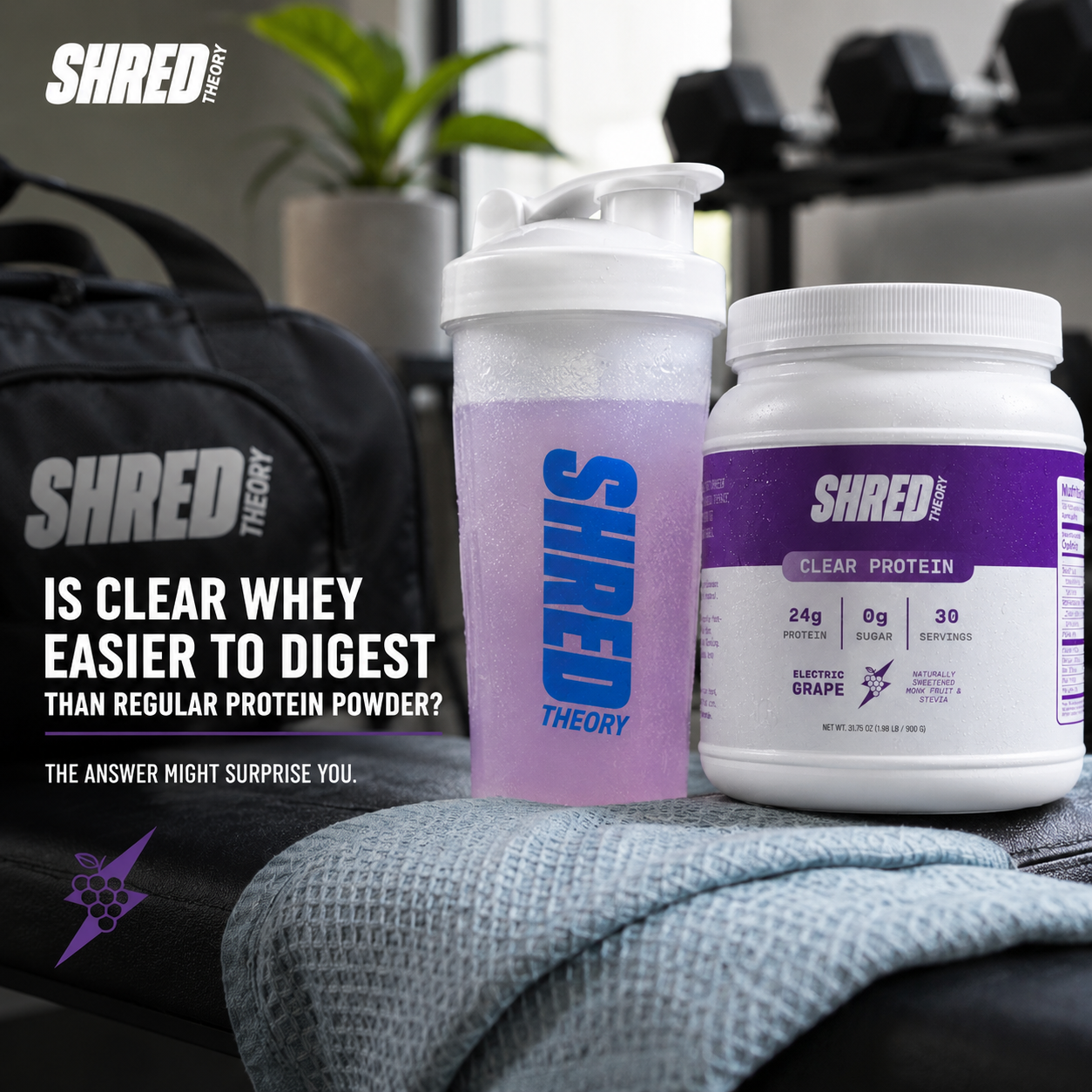

Clear Whey vs. Regular Whey Protein: What's the Difference?
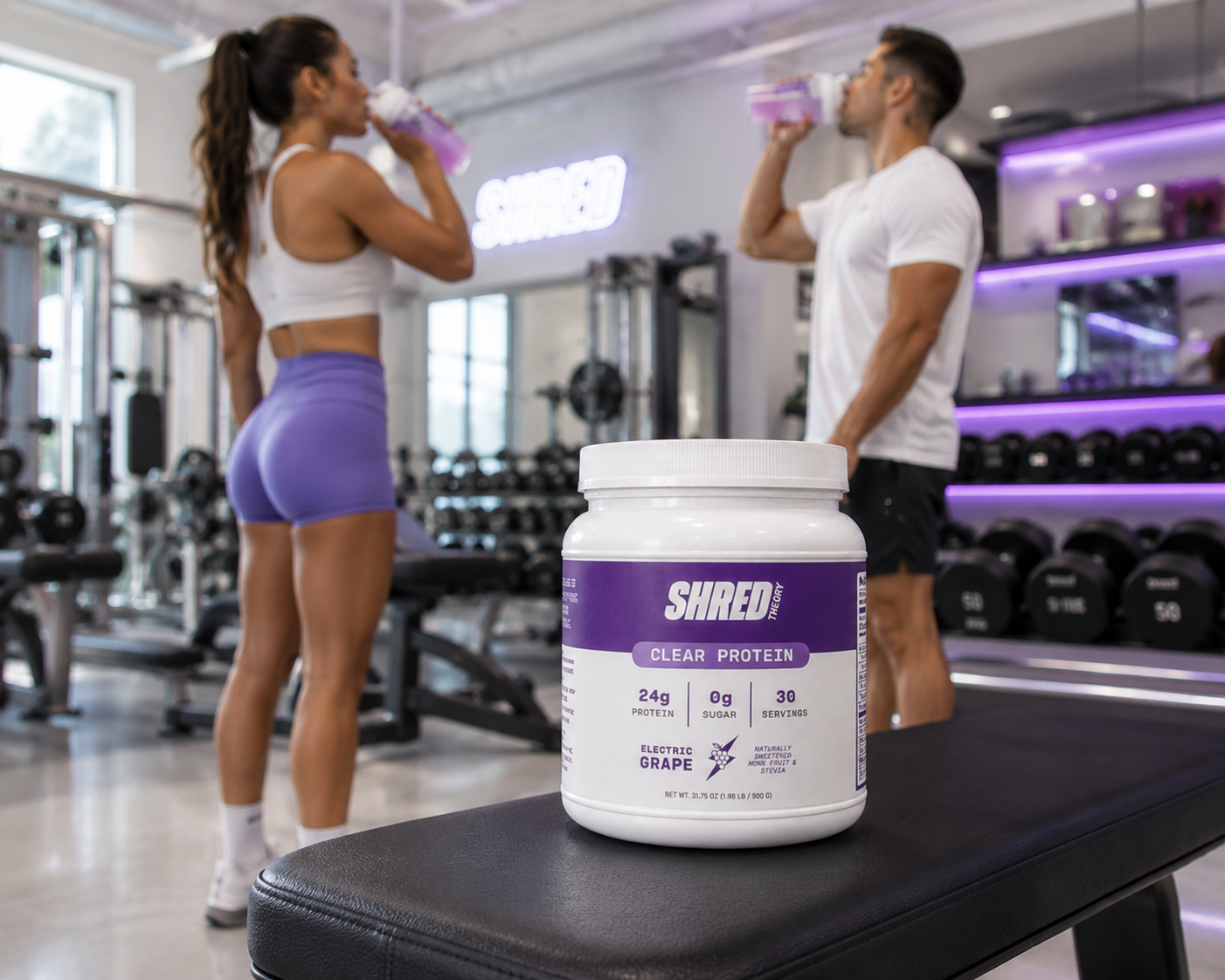
If you've been shopping for protein lately, you've probably noticed something new popping up everywhere: clear whey protein.
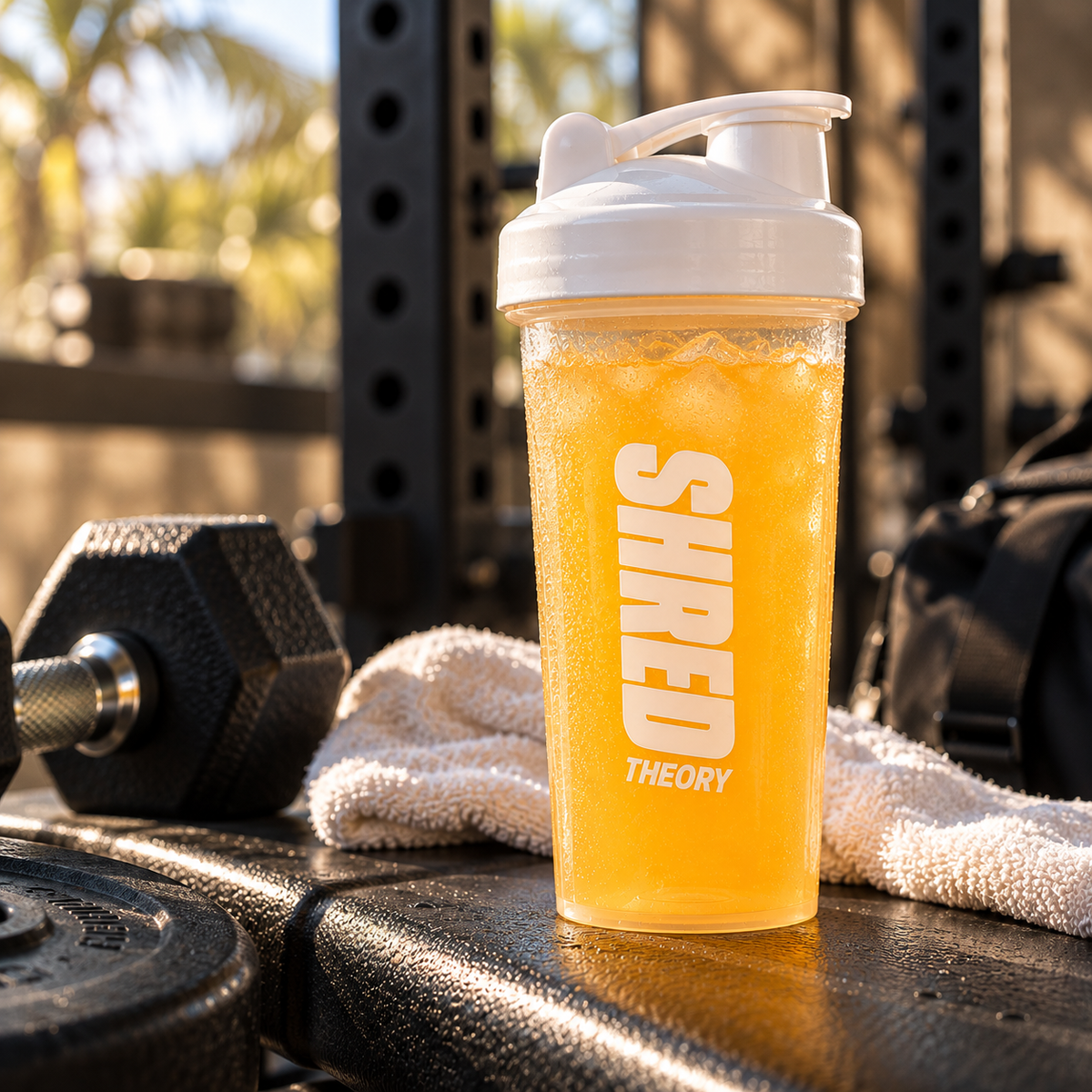
At first glance, it almost looks more like a sports drink than a protein shake. It's colorful, light, and refreshing instead of thick and creamy.
So what exactly is the difference between clear whey and regular whey protein? More importantly, is one actually better than the other?
The short answer is that both can be excellent sources of protein. The best choice depends on your goals, your preferences, and honestly, what you'll actually enjoy drinking every day.
Let's break it down.
What Is Regular Whey Protein?
Traditional whey protein is what most people think of when they picture a protein shake.
It's typically mixed with milk or water and has a thicker, creamier texture. Most flavors are inspired by desserts—think chocolate, vanilla, cookies and cream, or peanut butter.
There are two common types:
- Whey Concentrate – Contains protein along with small amounts of carbohydrates and fat.
- Whey Protein Isolate – Goes through additional filtration to remove more lactose, fat, and carbohydrates while increasing the percentage of protein.
Both can be great options for helping you reach your daily protein goals.
What Is Clear Whey Protein?
Clear whey protein starts with whey protein isolate, but it's processed differently to create a completely different drinking experience.
Instead of a milkshake-like texture, it mixes into a drink that's light, smooth, and almost juice-like.
Think lemonade instead of vanilla ice cream.
Because it's made with whey isolate, clear protein is naturally very high in protein while remaining low in fat and sugar. That's one reason it's become increasingly popular with people who want a refreshing alternative to traditional protein shakes.
Texture Is One of the Biggest Differences
This is probably the first thing you'll notice.
Traditional protein shakes tend to be thick and filling. Some people love that because it feels more like a meal replacement.
Clear protein is almost the opposite.
It's light, refreshing, and much easier to sip throughout the day, especially after a workout or when it's hot outside.
If you've ever found yourself forcing down a heavy shake after training, clear whey can feel like a welcome change.
Nutrition: They're More Similar Than You Think
One common misconception is that clear whey somehow contains less protein.
That's usually not the case.
In fact, many clear whey products use whey isolate and deliver just as much protein as traditional shakes.
The exact nutrition depends on the brand, but both options are designed to help support muscle recovery and make it easier to meet your daily protein intake.
When comparing products, pay attention to:
- Protein per serving
- Calories
- Added sugars
- Serving size
- Protein source (Isolate vs. Concentrate)
These details matter more than whether the protein is clear or creamy.
Which One Is Better After a Workout?
For recovery, both can be effective.
The most important thing is getting enough high-quality protein after training to support muscle repair and recovery.
Where clear protein often stands out is simply because it's easier to drink.
After an intense workout, especially during warmer months, many people aren't craving a thick milkshake. A lighter drink can feel much more refreshing, making it easier to consistently hit your protein goals.
And consistency almost always beats perfection.
What About Digestion?
This is one of the most common questions people ask.
Some people notice that whey protein isolate feels easier on their stomach compared to whey concentrate because isolate contains less lactose.
Since clear whey protein is typically made from whey isolate, many people prefer it for that reason.
That doesn't mean everyone will have the same experience, but it's one reason clear protein has grown in popularity.
If you've ever avoided protein shakes because they felt heavy, trying a clear whey protein may be worth considering.
Which One Tastes Better?
This really comes down to personal preference.
If you enjoy rich dessert flavors, traditional whey protein is probably your style.
If you'd rather drink something that tastes more like fruit juice, lemonade, or a sports drink, clear whey protein offers a completely different experience.
Neither is objectively better—they're simply different.
So Which One Should You Choose?
There's no wrong answer.
Traditional whey protein has helped millions of people build muscle, recover from workouts, and hit their nutrition goals.
Clear whey protein does the exact same job while offering a lighter, more refreshing way to get your protein.
For many people, that's enough to make it the easier choice to drink consistently.
And at the end of the day, the best protein powder is the one you'll actually use.
Final Thoughts
Whether you choose clear whey or a traditional protein shake, the goal is the same: getting enough high-quality protein to support your health, recovery, and fitness goals.
If you've never tried clear whey before, you might be surprised by how different it is. It doesn't replace traditional protein—it simply gives you another option.
For anyone looking for a refreshing alternative to thick, creamy shakes, clear whey protein is definitely worth trying.
Frequently Asked Questions
Is clear whey protein the same as regular whey protein?
Not exactly. Clear whey protein is usually made with whey protein isolate, but it's processed differently to create a light, juice-like drink instead of a creamy shake.
Does clear whey protein build muscle?
Yes. Like other high-quality protein sources, clear whey protein provides the amino acids your body needs to support muscle recovery and growth when combined with regular resistance training and adequate overall nutrition.
Is clear whey protein better than regular whey?
Neither is inherently better. Traditional whey and clear whey can both help you meet your protein goals. The right choice depends on your taste preferences, nutritional needs, and which one you're more likely to drink consistently.
Is clear whey easier to digest?
Many people find whey protein isolate easier to tolerate than whey concentrate because it contains less lactose. Since most clear whey products use whey isolate, some people prefer them for that reason, although individual experiences can vary.