
Why Am I Not Losing Fat Even With High Protein?
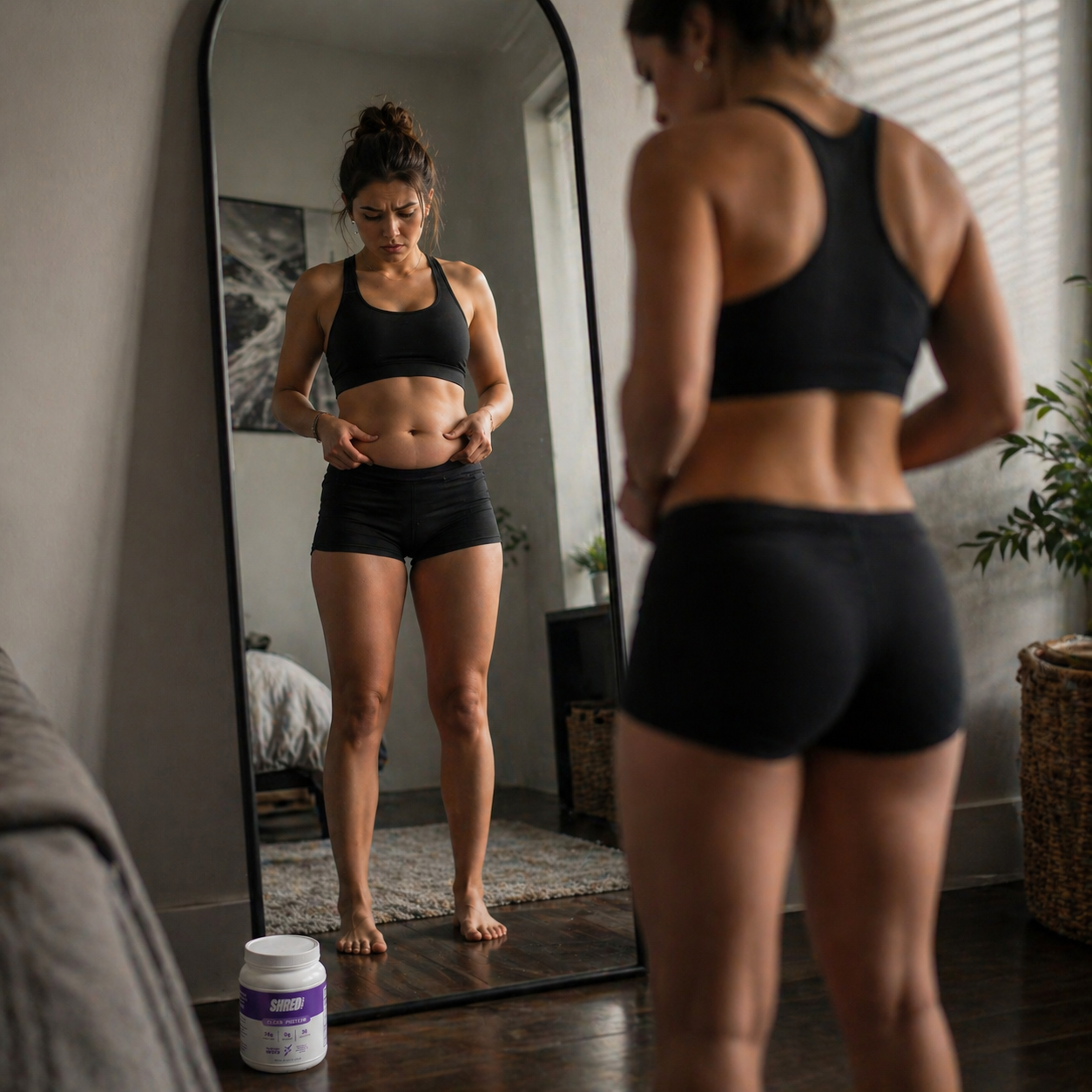
You’re eating high protein.
You’re drinking your shakes.
You’re trying to do everything right.
So why isn’t the fat coming off?
This is one of the most frustrating places to be — because high protein should help with fat loss. And most of the time, it does.
But here’s the truth:
Protein alone doesn’t guarantee fat loss.
If you’re not seeing results, there’s almost always something else going on beneath the surface.
Let’s break down the real reasons.
1. You’re Not Actually in a Calorie Deficit
This is the big one.
You can eat 200g of protein per day — but if your total calories are still too high, fat loss won’t happen.
A lot of people assume:
“High protein = fat loss”
But fat loss comes down to one thing:
Burning more calories than you consume.
Protein helps because it:
- Keeps you full
- Reduces cravings
- Preserves muscle
But it doesn’t override excess calories.
Common mistakes:
- Underestimating portion sizes
- Forgetting snacks, drinks, sauces
- “Healthy” foods that are still calorie-dense
2. You’re Eating More Calories Than You Think
Even when you think you’re in a deficit… you might not be.
Liquid calories, cooking oils, small snacks — they add up fast.
And ironically, protein shakes can contribute if you’re:
- Adding peanut butter
- Mixing with milk
- Drinking multiple shakes per day
Not all protein is “low calorie.”
If fat loss is the goal, you want:
- High protein
- Low sugar
- Low fat
- Efficient calories
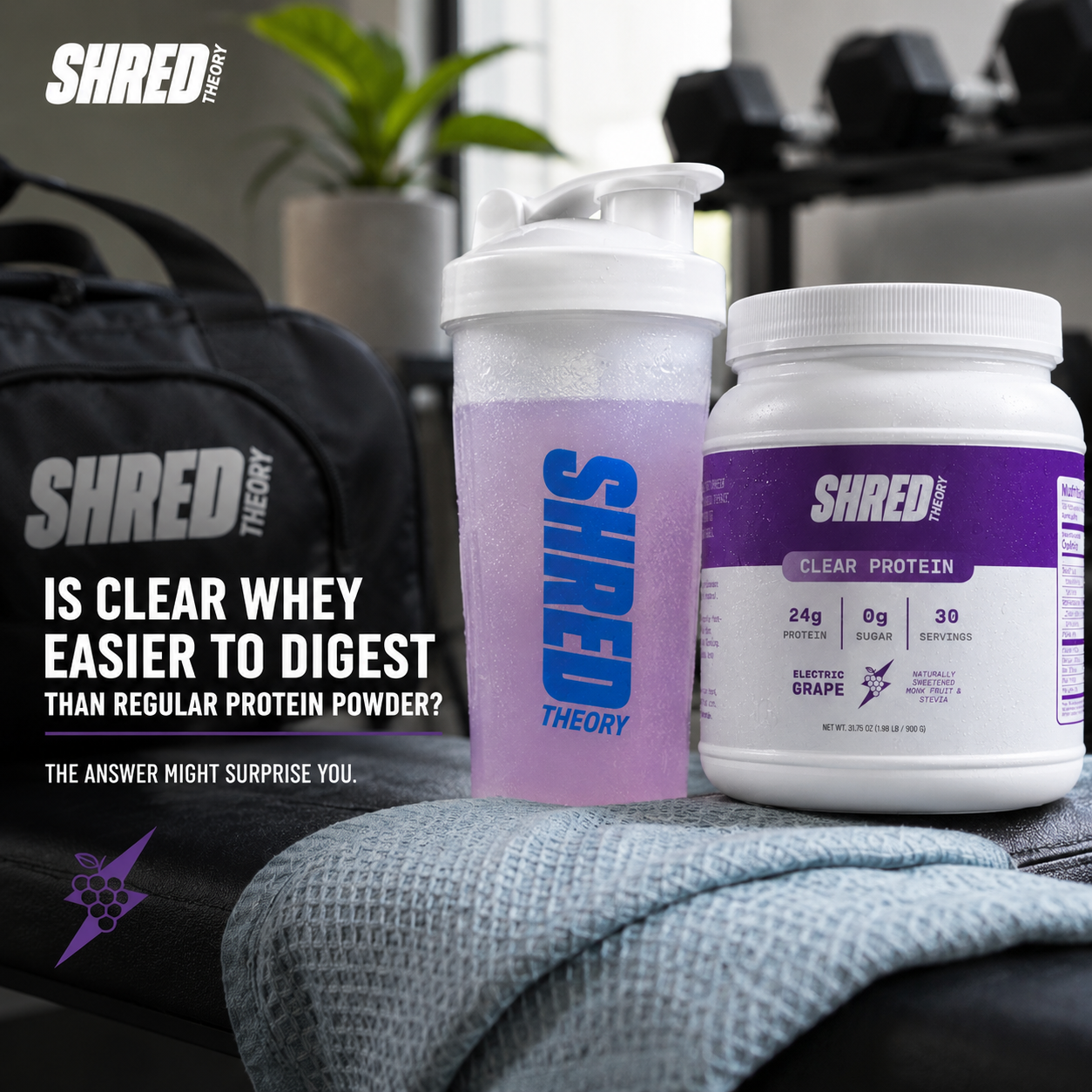
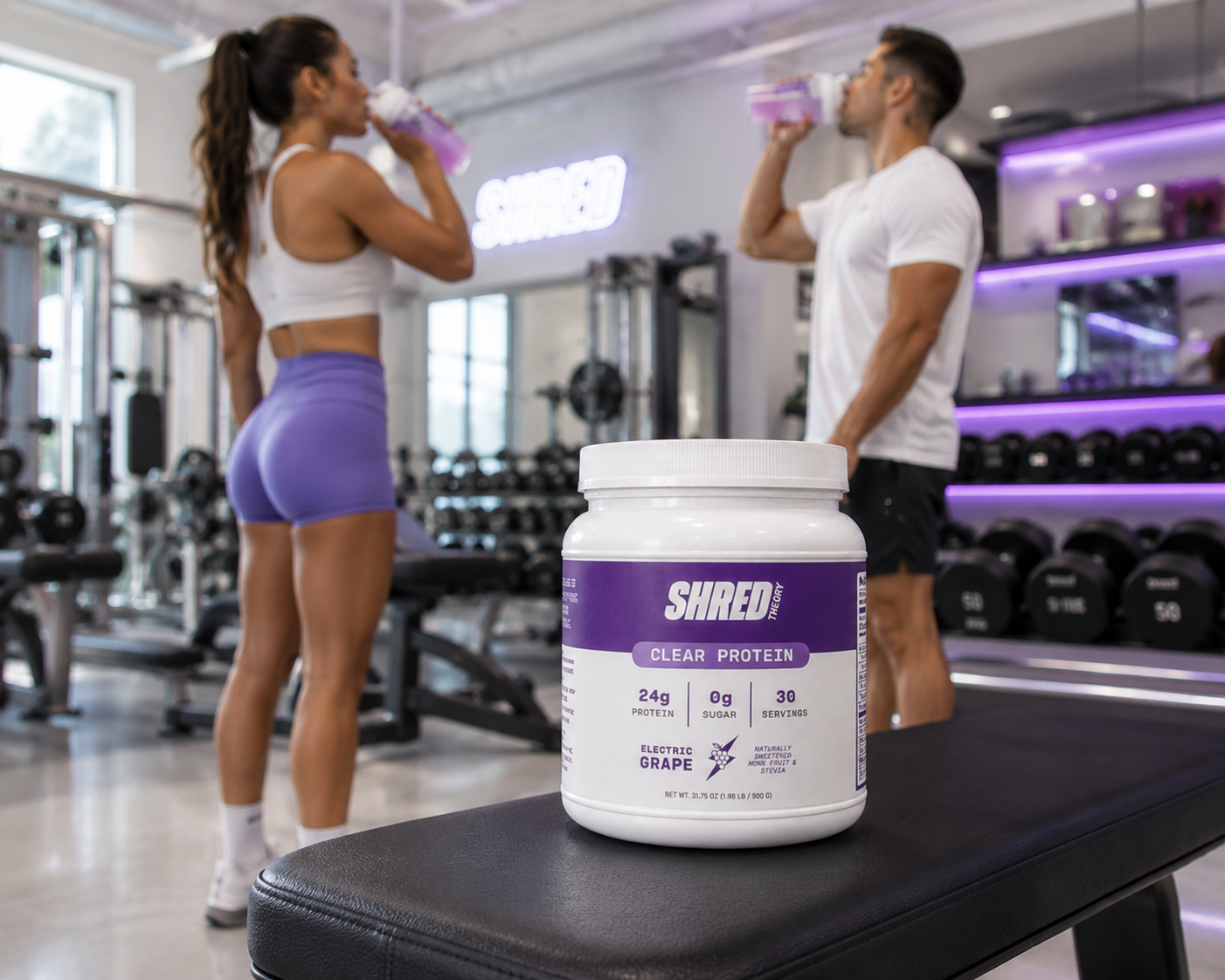
This is where cleaner options like whey isolate or clear whey protein can help — you get the protein without unnecessary extras.
3. You’re Overcompensating Because You’re Eating “Healthy”
This happens all the time.
You eat:
- Lean meals
- High protein foods
- “Clean” snacks
And then subconsciously reward yourself with:
- Bigger portions
- Extra snacks
- More meals
Healthy food still has calories.
A high-protein diet only works for fat loss when it’s paired with awareness of total intake.
4. You’re Not Moving as Much as You Think
Fat loss isn’t just about the gym.
Your daily movement (steps, activity, lifestyle) plays a massive role.
If you:
- Sit most of the day
- Only rely on workouts
- Have low step counts
Your total calorie burn may be lower than expected.
Even with a high-protein diet, low activity = slower fat loss.
5. You’re Holding Water (Not Fat)
This is something most people don’t realize.
You might actually be losing fat… but:
- Stress
- Poor sleep
- High sodium
- Intense training
Can cause your body to hold water.
This makes it look like nothing is changing — even when progress is happening.
The scale doesn’t always tell the full story.
6. Your Sleep Is Killing Your Progress
Sleep impacts fat loss more than most people think.
Poor sleep can:
- Increase hunger hormones
- Decrease recovery
- Raise cortisol
- Lead to more fat storage over time
You can hit your protein goal perfectly — but if you’re sleeping 5–6 hours consistently, your results will suffer.
7. You’re Not Being Consistent Long Enough
This is the hard truth.
Fat loss takes time.
A few days of “being on track” isn’t enough. Even a couple of weeks may not show dramatic results — especially if:
- You’re building muscle
- You’re holding water
- You’re fluctuating daily
Consistency over weeks and months is what drives real change.
Where Protein Still Matters
Even though protein isn’t the only factor, it’s still one of the most important.
A high-protein diet:
- Helps preserve lean muscle
- Keeps you fuller longer
- Makes dieting easier to stick to
But the key is pairing it with:
- A true calorie deficit
- Consistent habits
- Smart food choices
The Bottom Line
If you’re not losing fat — even with high protein — zoom out.
Ask yourself:
- Am I actually in a calorie deficit?
- Am I tracking accurately?
- Am I moving enough daily?
- Am I sleeping properly?
- Am I being consistent?
Protein is a powerful tool.
But fat loss is the result of the entire system working together — not just one piece.
Get the fundamentals right… and the results will follow.